
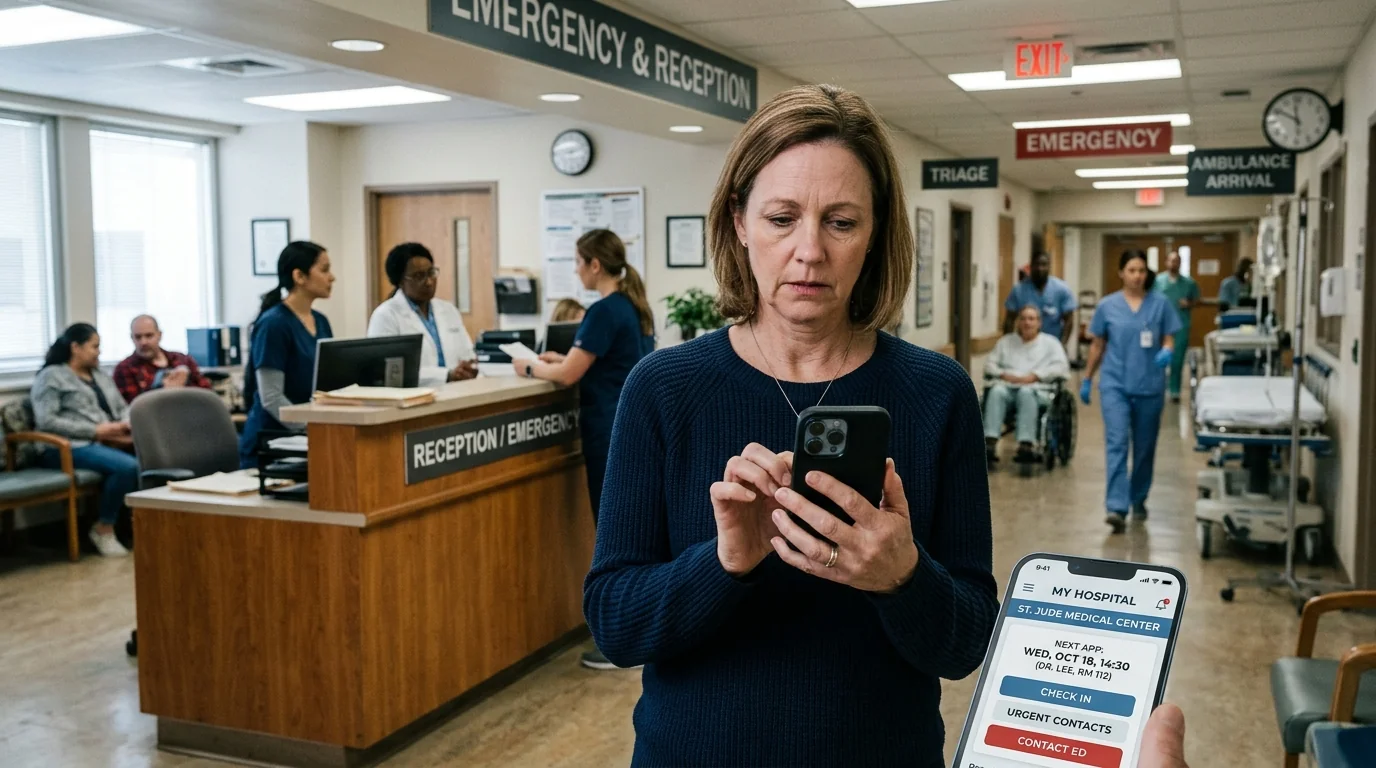
Have you ever visited a hospital’s website from your phone, only to struggle with zooming, tapping, or slow loading? You're not alone. In today’s fast-paced, smartphone-driven world, patients demand easy, mobile-friendly access—especially in emergencies.
So, here’s the big question: is your hospital’s website really helping your patients—or turning them away?
Let’s break down why mobile-optimized websites are no longer optional for hospitals, and how they can transform the patient experience and drive real growth. For clinical practices wanting to evaluate high-performance builds, explore our custom coded web solutions.
The shift to mobile: what the data says
In 2026, more than 70% of healthcare searches begin on mobile devices. Whether patients are searching for emergency care, checking visiting hours, or booking appointments, they expect the experience to be fast, responsive, and intuitive.
Most importantly, if your hospital website is not optimized for mobile:
- It may not load properly
- It might appear broken or confusing
- Visitors will likely leave in seconds
Above all, a poor mobile experience directly impacts your hospital’s credibility. Read the official guidance on Google mobile-friendly design↗ to understand how search engines evaluate mobile responsiveness.
Why hospitals need mobile-optimized websites

Let’s explore the reasons:
1. Improve patient access and experience
Patients want information on the go—from directions and services to contact details and test reports. A mobile-friendly site ensures:
- Fast loading times
- Click-to-call features
- Easy appointment bookings
- Responsive design that fits all screens
2. Boost local search rankings
Google prioritizes mobile-optimized websites in local search results. So, if your hospital website isn’t mobile-friendly, your competitors will outrank you.
This directly affects your visibility in search results when users look for:
- “hospitals near me”
- “24/7 emergency care in bangalore”
- “maternity hospital nearby”
With a responsive web design, your hospital gains higher traffic and better engagement. Learn how to improve Google Business Profile ranking for localized map visibility and emergency discovery.
3. Build trust and credibility
Healthcare is all about trust. If a patient’s first digital interaction with your hospital is through a broken or cluttered mobile site, it damages your image.
Conversely, a professional and fast-loading website builds confidence, especially in critical situations. Review our verified healthcare portfolio to see live clinical platforms built for speed and patient trust.
4. Enable better communication and conversions
Features like chat support, quick appointment forms, and contact widgets enhance patient interaction. These tools are easier to use on a mobile-optimized platform, helping you convert more visitors into actual patients.
5. Stay ahead of digital transformation
Hospitals investing in mobile-friendly websites signal innovation and care. This enhances your branding and positions your institution as patient-first. To combine digital health presence with modern search, discover our AI search and SEO / GEO services.
Key features of a mobile-optimized hospital website
- Responsive layout that adapts to screen size
- Compressed images for fast loading
- Large, easy-to-tap buttons
- Quick navigation to services and departments
- Secure mobile payments or billing integration
- SEO-ready design for local discovery
How to get started with a mobile-friendly website
If your current site isn’t optimized, don’t worry. You can:
- . Work with a website design company that specializes in healthcare
- . Redesign using a responsive website design approach
- . Use platforms like wordpress website builder or shopify website design if you prefer templates
- . Optimize for page speed, security, and accessibility
Above all, make it simple and clean. Patients care more about fast information than fancy design. If you are comparing platforms, explore our WordPress CMS development or consult our web team.